In the world of heating, ventilation, and air conditioning (HVAC) systems, having the right tools and equipment is essential for ensuring efficient and effective performance One such tool that is often overlooked but incredibly important is HVAC rope HVAC rope is a versatile and durable tool that is indispensable for HVAC professionals in a variety of applications.
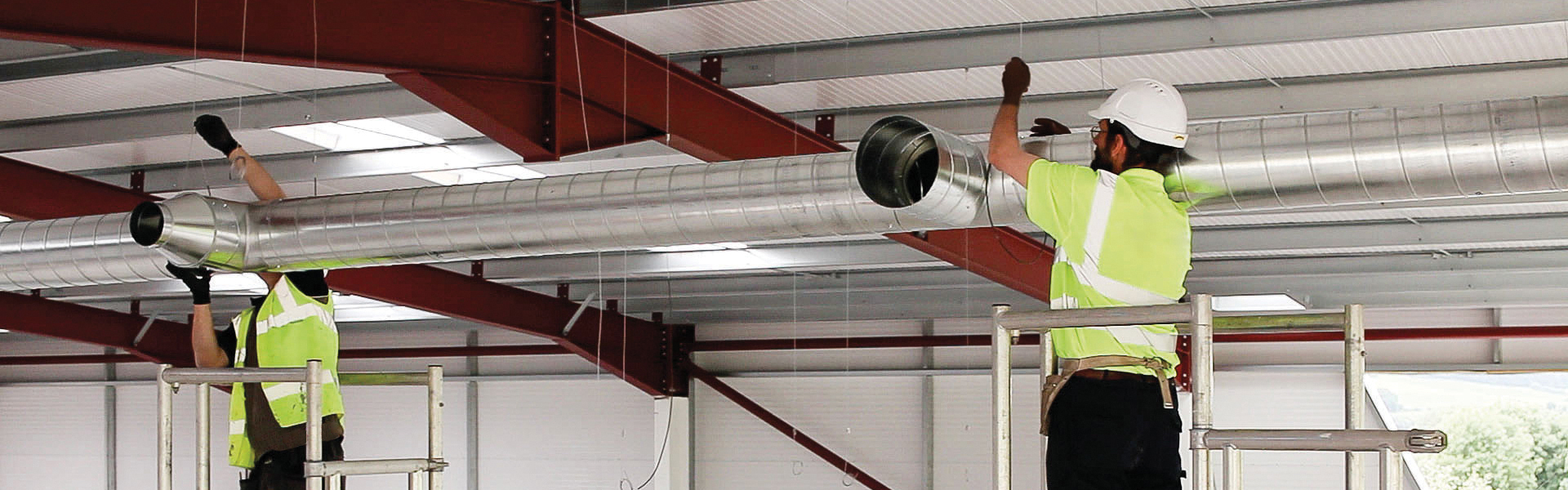
One of the primary uses of HVAC rope is in the installation and maintenance of HVAC systems HVAC systems are complex and made up of many different components that need to be properly installed and maintained for optimal performance HVAC rope is used for a variety of tasks, such as pulling cables through tight spaces, securing ductwork in place, and lifting heavy equipment into position Without the right type of rope, HVAC professionals would struggle to complete these tasks safely and efficiently.
Another important use of HVAC rope is in the repair and replacement of HVAC components HVAC systems are subject to wear and tear over time, and components may need to be repaired or replaced to keep the system running smoothly HVAC rope is used to secure components in place while they are being repaired or replaced, ensuring that they stay in position and do not cause any damage to the surrounding area Additionally, HVAC rope can be used to safely lift and transport heavy components, making it an essential tool for HVAC professionals.
Additionally, HVAC rope is often used in emergency situations where HVAC systems need to be repaired or maintained quickly to prevent a breakdown In these situations, time is of the essence, and having the right tools on hand is crucial HVAC rope allows professionals to quickly and safely secure components in place, making it easier to make repairs and get the system back up and running as quickly as possible.
The type of rope used in HVAC applications is important, as it needs to be strong, durable, and able to withstand the rigors of the job hvac rope. HVAC rope is typically made from materials such as nylon, polyester, or polypropylene, which are known for their strength and resistance to wear and tear These materials also have a high tensile strength, making them ideal for lifting heavy equipment and securing components in place.
In addition to the material used, the size and thickness of the rope are also important considerations when choosing HVAC rope The diameter of the rope will determine its weight capacity and durability, so it is important to select a rope that is appropriate for the job at hand Thicker ropes are typically stronger and more durable, making them suitable for heavy-duty applications, while thinner ropes are better suited for lighter tasks.
Another important factor to consider when choosing HVAC rope is its flexibility and ability to bend and twist without breaking HVAC systems are often installed in tight spaces and require rope that can bend and maneuver easily Flexible ropes are easier to work with and can adapt to different installation and maintenance tasks, making them a valuable tool for HVAC professionals.
Overall, HVAC rope is an essential tool for HVAC professionals in a variety of applications, including installation, maintenance, repair, and emergency situations Without the right type of rope, HVAC professionals would struggle to complete their work safely and efficiently By choosing a high-quality, durable rope that is appropriate for the job at hand, HVAC professionals can ensure that their work is done effectively and that HVAC systems continue to run smoothly.
In conclusion, HVAC rope plays a crucial role in the HVAC industry and is an indispensable tool for professionals in the field From installation and maintenance to repair and emergency situations, HVAC rope is essential for ensuring that HVAC systems operate efficiently and effectively By choosing the right type of rope for the job at hand, HVAC professionals can work safely and efficiently, leading to better outcomes for their clients and ensuring the longevity of HVAC systems.